Flexible Philanthropy: Proposed Law Would Unlock New Option for Donors
Written by Tom Bayer, CPA, Sikich LLP
A proposed bill from the US House of Representatives has garnered bipartisan support in an effort to expand philanthropic options for donors over 70. If passed, the bill would permit eligible seniors to make qualified charitable distributions (QCDs) from an IRA into a donor-advised fund (DAF). Under current law, DAFs are prohibited from receiving this kind of transfer.
For donors and fundholders at Hamilton County Community Foundation, this would offer several benefits, including greater flexibility, better tax efficiency for heirs, and the opportunity to make larger, more targeted and timely donations for community impact.
QCDs today
Currently, a qualified charitable distribution allows donors age 70½ and older to transfer money from a traditional IRA directly to an eligible nonprofit charity.
Beyond the charitable impact, there are two main benefits of this approach for a donor and a nonprofit:
- For donors, a QCD can satisfy a retirement account’s required minimum distribution (RMD); that lower adjusted gross income can reduce their tax liability, Medicare premiums, and reduce other taxes like Net Investment Income Tax.
(Note: While QCDs can start at age 70½, RMDs aren’t required until age 73 at the earliest, leaving several years without the RMD requirement. Here’s a good summary of important details, including the 2026 QCD limit of $111,000.)
- For nonprofits, these contributions are larger than they would have been otherwise because they are pre-tax.
However, under current law QCDs must go directly to charity; they cannot go to a donor-advised fund (DAF).
Should QCDs be allowed to go to a DAF?
If passed, HB 2891 would allow QCDs to be made to a DAF, including those held at community foundations like HCCF.
Donors would prefer this option if they need to make a large annual RMD but do not want to commit the entire sum right away or rush through deliberations about multiple charitable targets before a deadline.
I often describe DAFs are like a charitable savings account: You contribute whatever sum you like to the account now, then you can distribute grants at any time with the input and assistance of a community foundation.
However, it is for that same reason that DAFs are currently off-limits for QCDs. Some legislators have expressed concern that donors may abuse the open-ended timeline of a DAF to “warehouse” pre-tax wealth. While concerns around fraud and abuse are understandable, they are relatively unfounded in this instance. In fact, DAFs have annual payout rates consistently three to six times that of a private foundation’s standard 5% annual rate.
In other words, DAFs statistically grant more of a donor’s wealth to nonprofits, not less.
IRAs and heirs
For older retirees, there’s another reason to draw down an IRA account in this way. A large inherited IRA can create significant income tax consequences for your heirs.
Under current rules, many beneficiaries must withdraw inherited IRA assets within a set period (usually 10 years). This can push added income onto your adult children during their own high-earning years.
Now, that’s not necessarily the worst thing in the world, and I meet very few donors of any age who give mainly for the tax benefit. However, the point of these considerations is to maximize what we can give to nonprofits in light of these tax events.
That motivation is especially urgent amid nonprofit funding cuts over the last year.
So, for retirees who have that charitable intent, it may be worth asking:
- Is my IRA an untapped source for charitable giving?
- How do (or will) my required minimum distributions affect my taxable income?
- Would charitable giving help reduce the tax burden on my estate or heirs?
- How much do I want to leave to family, and how much do I want to direct to my community?
Local matters
As of this writing, HB 2891 would apply broadly to eligible DAFs – meaning there is no distinction for DAFs held either at local community foundations or multinational financial organizations.
But I can tell you there is a world of difference between a DAF that simply processes grants and a DAF rooted in a specific community.
A DAF held through HCCF connects donors with foundation staff who understand Hamilton County’s needs, know its nonprofit leaders personally, and understand its opportunities. That local knowledge can help donors move from good intentions to visible impact.
At a local foundation, the question is not simply, “How can I give tax-efficiently?” but rather, “How can my gift benefit the community I care about?”
What donors and advisors can do
Because this bill is not yet law, your next step should be planning. In fact, as I was preparing this post, Congress has proposed another bipartisan bill increasing charitable options through retirement accounts (this time, focusing on employer-sponsored accounts).
As news develops, consider these conversations with your CPA, financial advisor, or philanthropic advisor:
- If you are 70½ or older, ask whether current QCD rules make sense for your giving.
- Review your IRA balances and future required minimum distributions.
- Talk through which assets are best suited for family inheritance and which may be better suited for charity.
- If you have a DAF, ask how it fits into your broader estate and retirement plan.
- If you do not have a DAF, ask HCCF how it could work for your philanthropic goals.
How HCCF can help
Interested in supporting our mission or opening a DAF or other giving vehicle with HCCF? Please contact Amanda Massey, Vice President of Development & External Engagement, at amandam@hamiltoncountycf.org. Or, if you’d like to learn more, please visit us online.
This article is for educational purposes and is not individualized tax, legal or financial advice. Please consult your advisor to confirm how these rules apply to your situation.
About the author
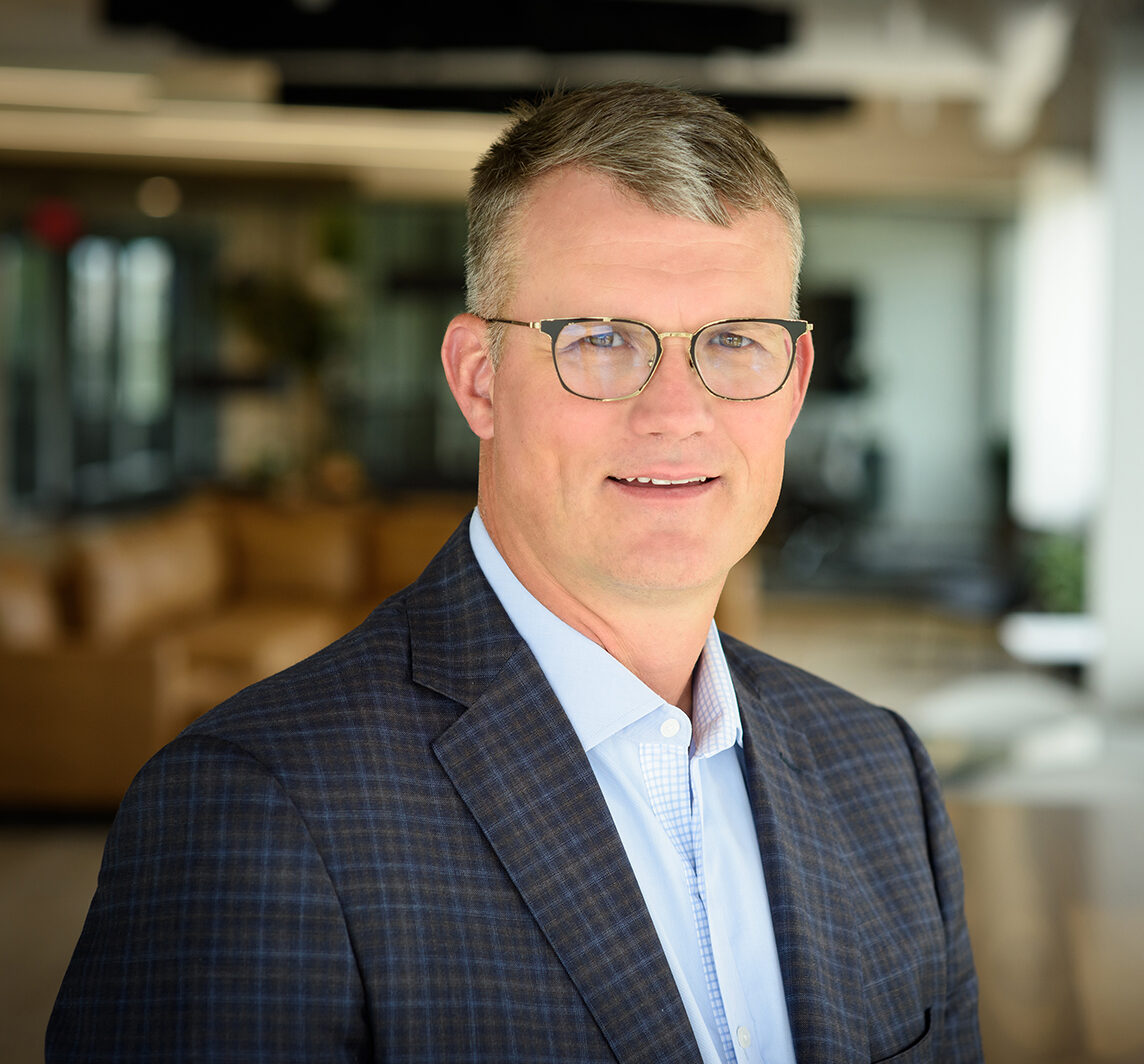
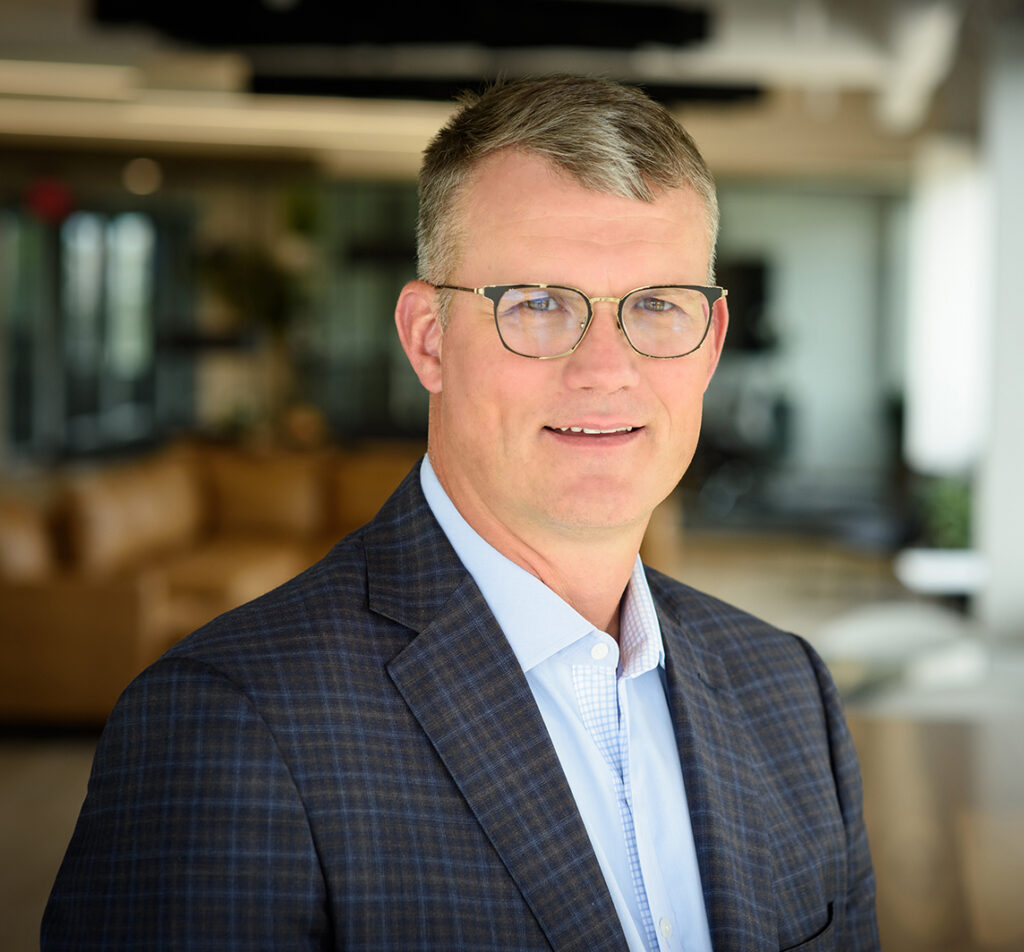
Tom Bayer, CPA, is Principal at Sikich and a member of the Hamilton County Community Foundation board of directors. Raised in Illinois farm country, Tom has more than three decades of tax and accounting experience for businesses in agriculture, construction, healthcare, and beyond.
Related Stories